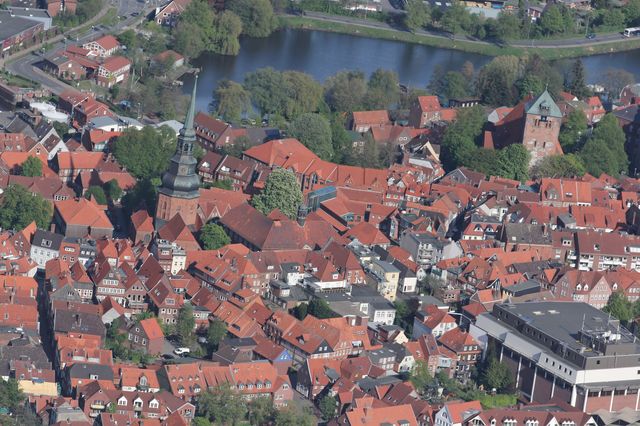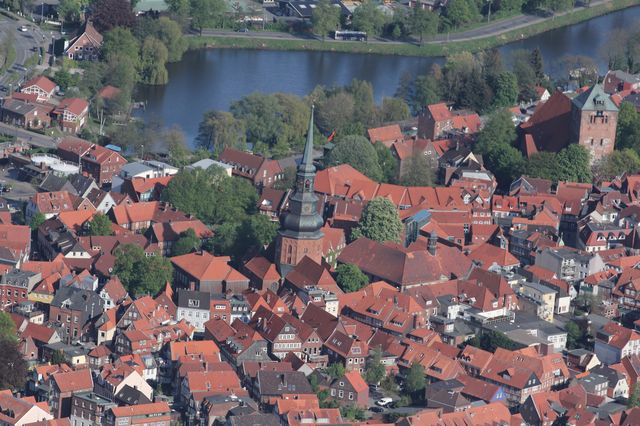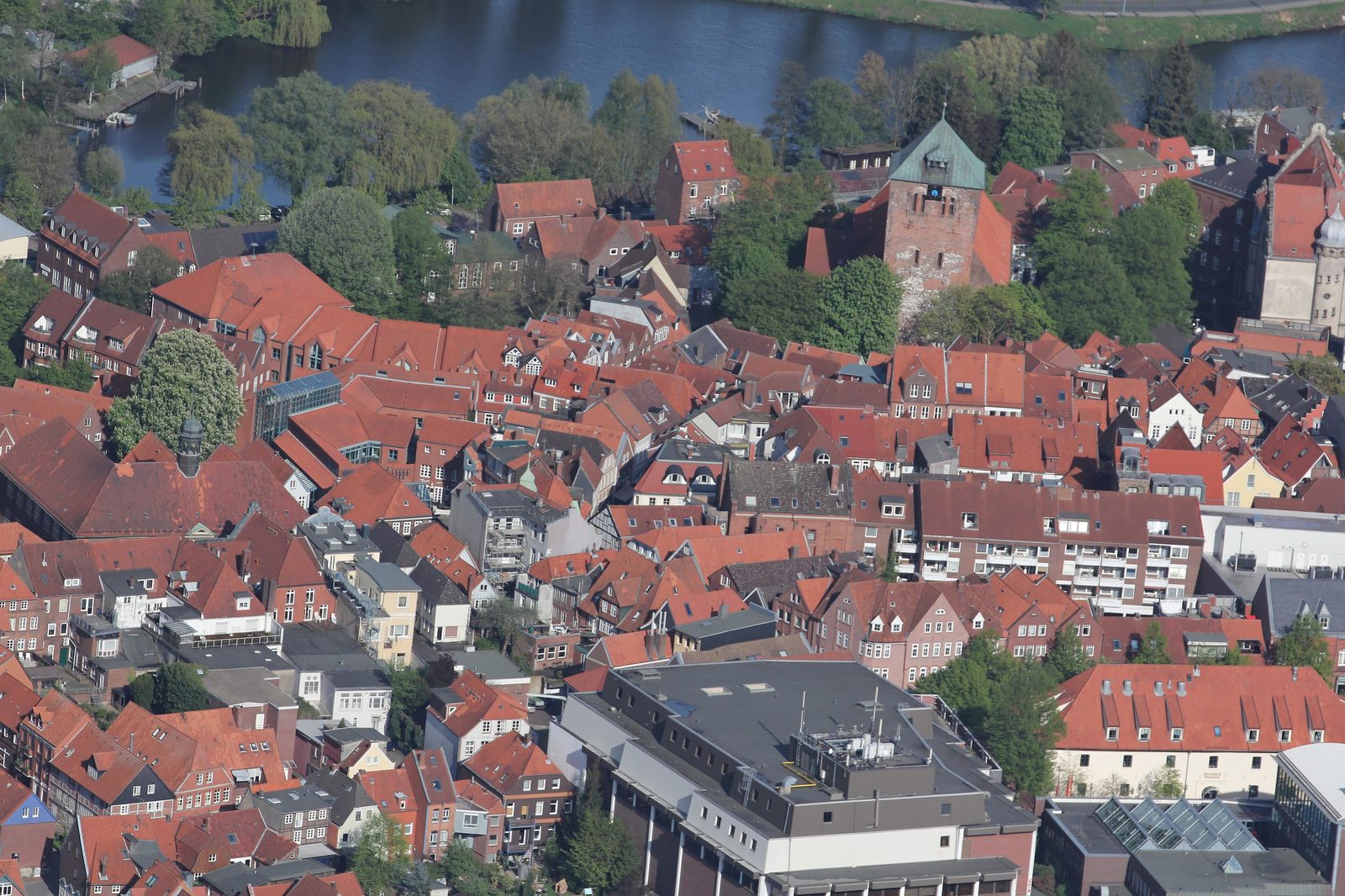
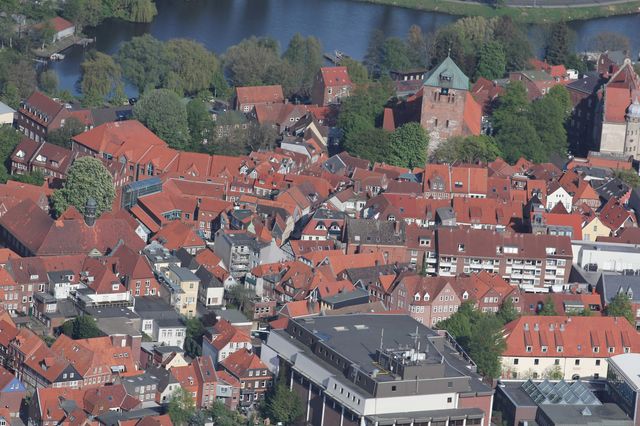
Luftbild der Altstadt mit Burggraben
Photo: Walter Rademacher · CC BY-SA 3.0
All sections
City blog · 21 posts

Stories from Stade

The history of the Hanseatic city, its buildings, the river and the orchards, everyday life and transport — in short, carefully researched pieces.
Low German in Stade: why the town is called Stood in Platt City life

Low German in Stade: why the town is called Stood in Platt

Platt is not sloppy German but a language of its own — and the Elbe-Weser triangle is one of the areas where it has survived longest.

Read on →
Hanseatic city of Stade — the title, the coat of arms and the twin towns City life

Hanseatic city of Stade — the title, the coat of arms and the twin towns

Since 2009 Stade has again been officially a Hanseatic city. What lies behind the name, what the key in the coat of arms means and who the town’s friends abroad are.

Read on →
The island in the moat — the open-air museum and the local history museum Culture & museums

The island in the moat — the open-air museum and the local history museum

On a Swedish fortress island stands one of the oldest freely accessible open-air museums in Germany: a farmhouse, a post windmill, a horse-driven mill and a bread oven.

Read on →
Where is what? The districts and villages of Stade City life

Where is what? The districts and villages of Stade

An old town on the Schwinge island, suburbs beyond the gates, former villages and four communities with a council of their own — a guide for newcomers.

Read on →
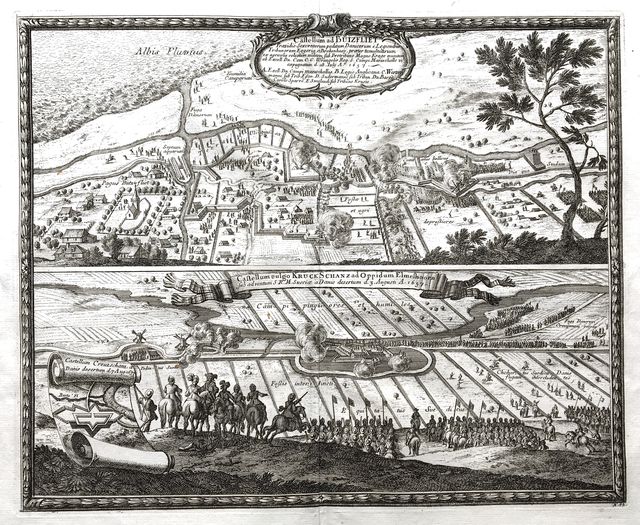
Industry on the Elbe — Bützfleth, the seaport and the end of the nuclear station Transport & economy

Industry on the Elbe — Bützfleth, the seaport and the end of the nuclear station

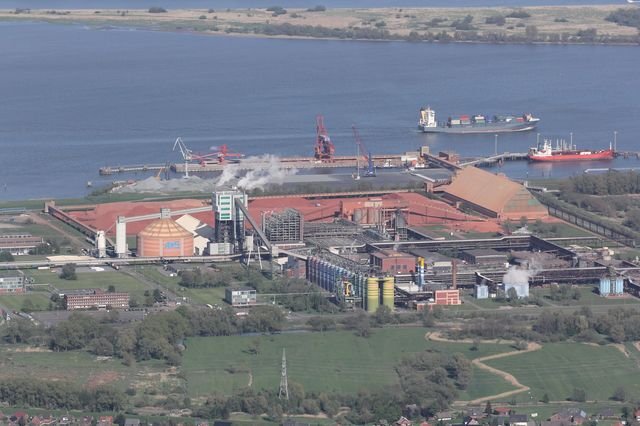
Since 1972 Stade has worked on the bank of the Elbe: a chemical works, aluminium oxide, a seaport, a nuclear power station being dismantled and an Airbus plant in the south of town.

Read on →
From Hanover to Prussia — Stade as an administrative town, 1715–1866 History

From Hanover to Prussia — Stade as an administrative town, 1715–1866

After the Swedes came the Welfs, then Napoleon, then Prussia. How Stade took leave of long-distance trade and became a town of authorities and garrisons, whose legacy is still visible.

Read on →
Stade in the 20th century — from garrison town to industrial town History

Stade in the 20th century — from garrison town to industrial town

District reform, the Nazi years, British occupation, the Bundeswehr and heavy industry: how Stade changed fundamentally between 1932 and 1972.

Read on →
Stade station — from the Lower Elbe railway of 1881 to the S-Bahn to Hamburg Transport & economy

Stade station — from the Lower Elbe railway of 1881 to the S-Bahn to Hamburg

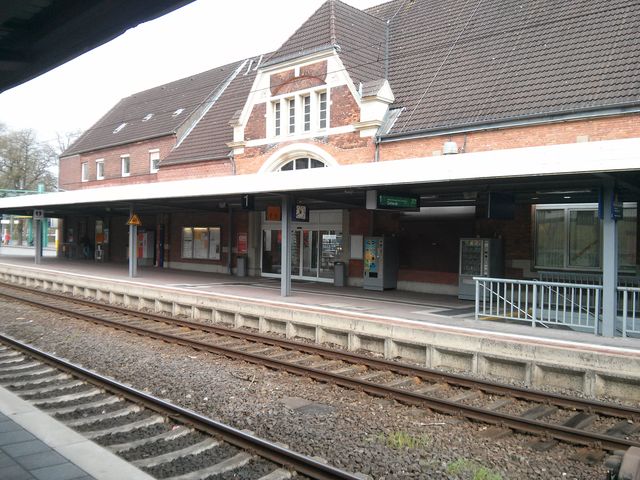
Trains have stopped in Stade since 1881, and since 2007 the Hamburg S-Bahn has run here. The story of the station, the line to Cuxhaven and the S5.

Read on →
The Elbe off Stade — beach, dykes and the ferry to Glückstadt Nature & surroundings

The Elbe off Stade — beach, dykes and the ferry to Glückstadt

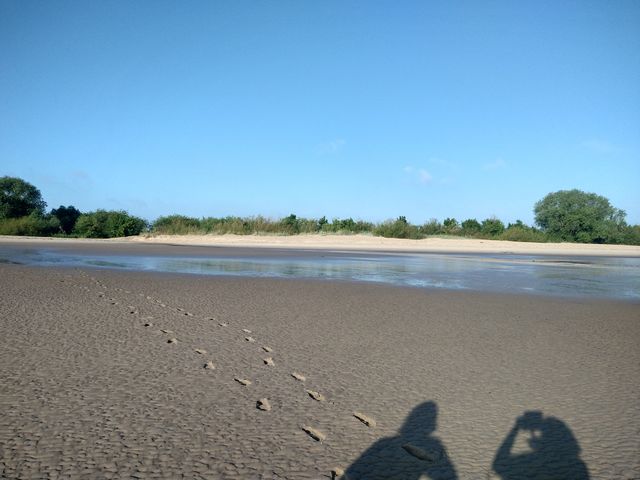
The river is a border, a transport route and a day out all at once. Where people from Stade go to the Elbe, how the Wischhafen–Glückstadt ferry has run since 1919 and what makes the Kehdingen country.

Read on →
The Schwinge — the river Stade owes its harbour to Nature & surroundings

The Schwinge — the river Stade owes its harbour to

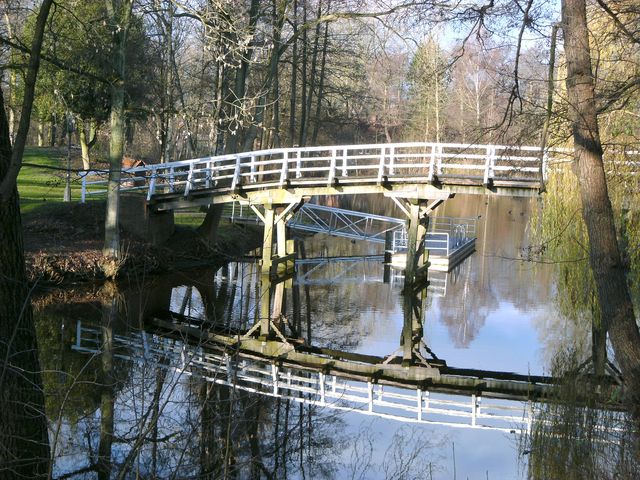
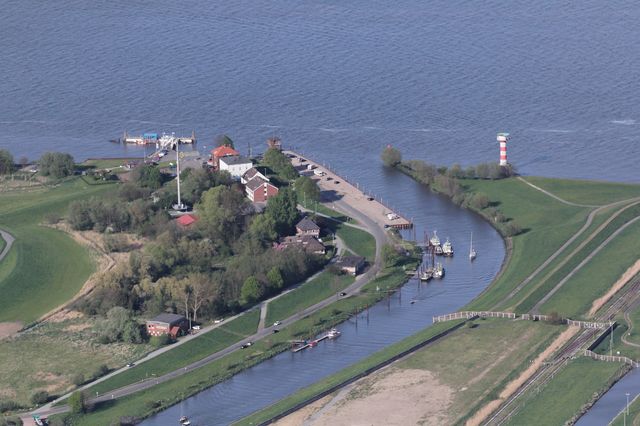
Thirty-three kilometres from the Hohes Moor to the Elbe: for a thousand years the Schwinge has carried ships to Stade. On tides, locks, a storm barrier and the old toll station at the mouth.

Read on →
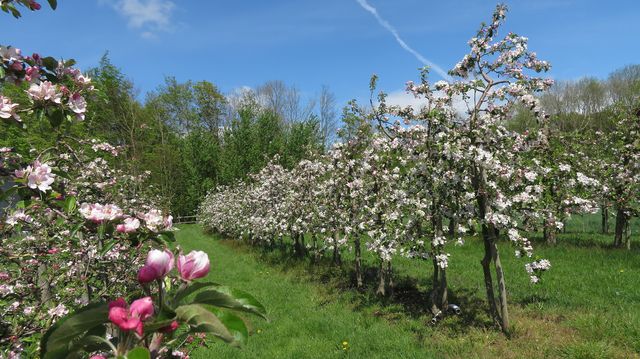
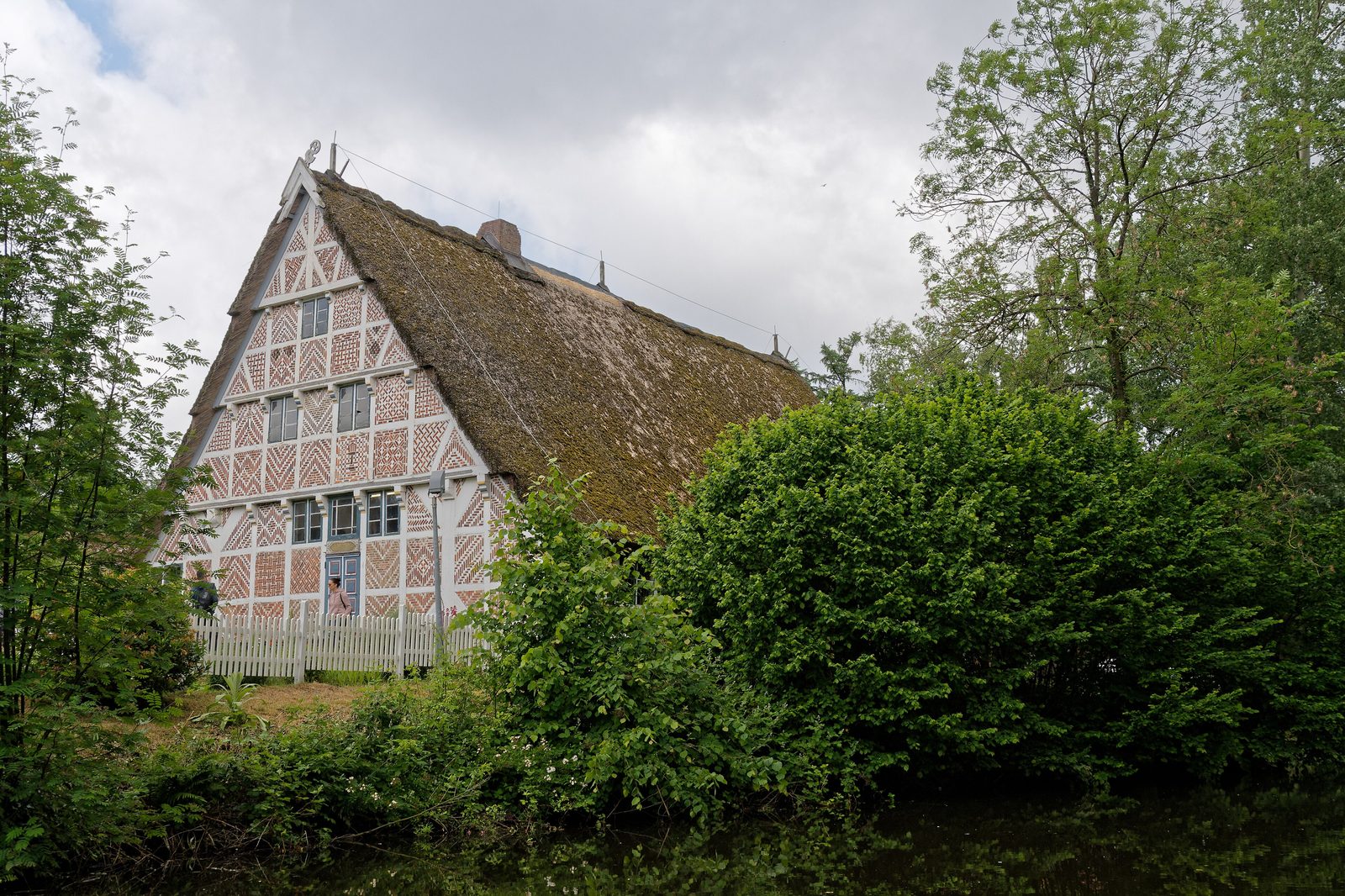
The Altes Land on the doorstep — orchards, dykes and ornamental gateways Nature & surroundings

The Altes Land on the doorstep — orchards, dykes and ornamental gateways

Immediately east of Stade begins the largest continuous fruit-growing region in northern Europe. How Dutch settlers drained the marsh, and why the farmhouses are so grand.

Read on →
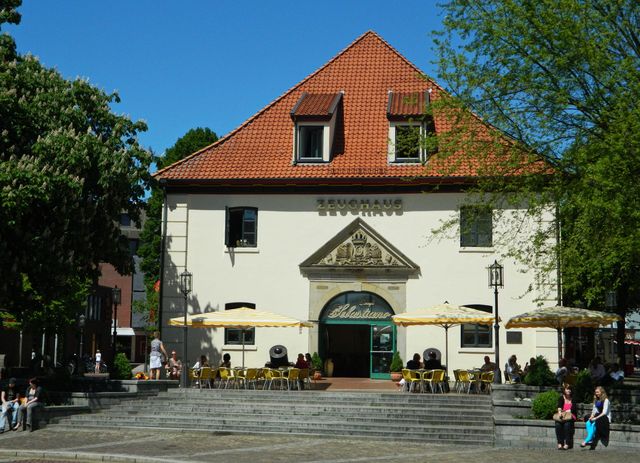
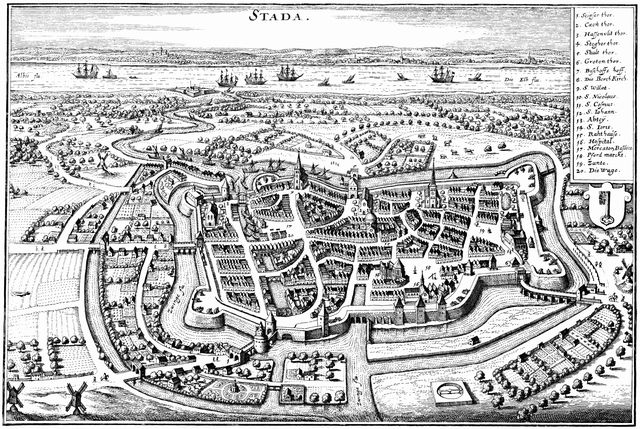
Arsenal, rampart and moat — what is left of the Swedish fortress of Stade Places & buildings

Arsenal, rampart and moat — what is left of the Swedish fortress of Stade

An armoury on the Pferdemarkt, a 14th-century grave in the cellar and a green ring of moats and bastions: the fortress has gone, but its traces still shape the town.

Read on →
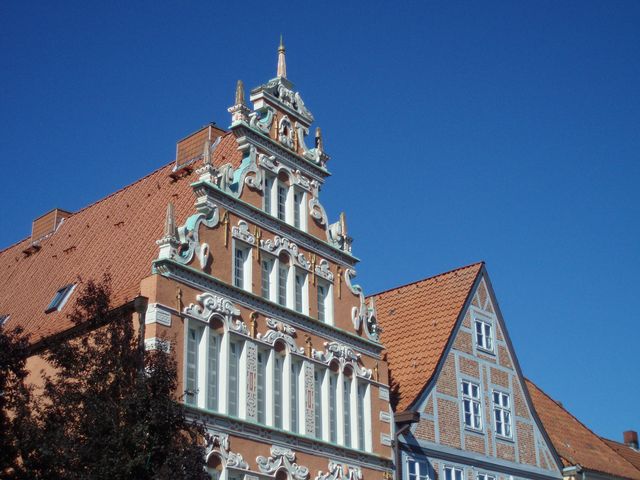
The Bürgermeister-Hintze-Haus — a façade that was built twice Places & buildings

The Bürgermeister-Hintze-Haus — a façade that was built twice

Seven turrets, dripping gold letters, sandstone and stucco: the show façade of 1621 on Wasser West was taken down in 1930 and rebuilt stone by stone in 1932/33. A walk with the neighbours.

Read on →
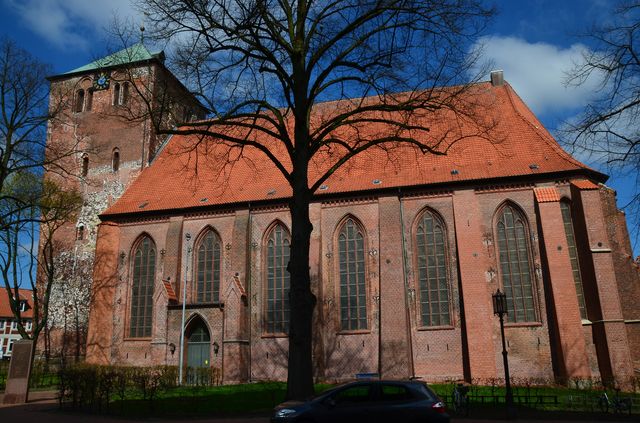
St. Wilhadi — the oldest church in town and its Bielfeldt organ Places & buildings

St. Wilhadi — the oldest church in town and its Bielfeldt organ

A tower from the 13th century, a Gothic hall church, a fire, a lightning strike — and a baroque organ of 1736 restored to its original state in 1990.

Read on →
St. Cosmae et Damiani — the tower above the town and the organ that made Schnitger famous Places & buildings

St. Cosmae et Damiani — the tower above the town and the organ that made Schnitger famous

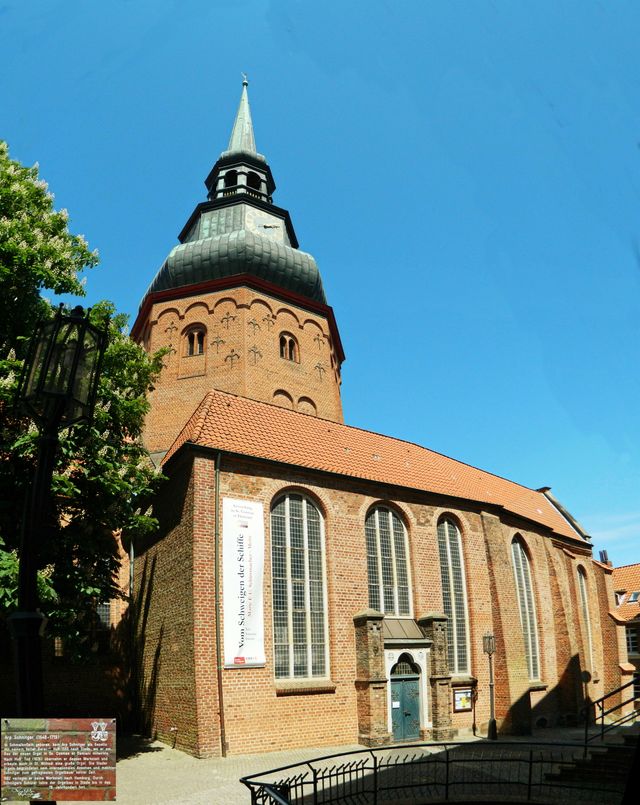
Stade’s landmark is an octagonal baroque spire on a medieval church. Inside: the Huß/Schnitger organ of 1673, the altar by Christian Precht and the traces of Vincent Lübeck.

Read on →
The Swedish warehouse — from garrison store to museum Culture & museums

The Swedish warehouse — from garrison store to museum

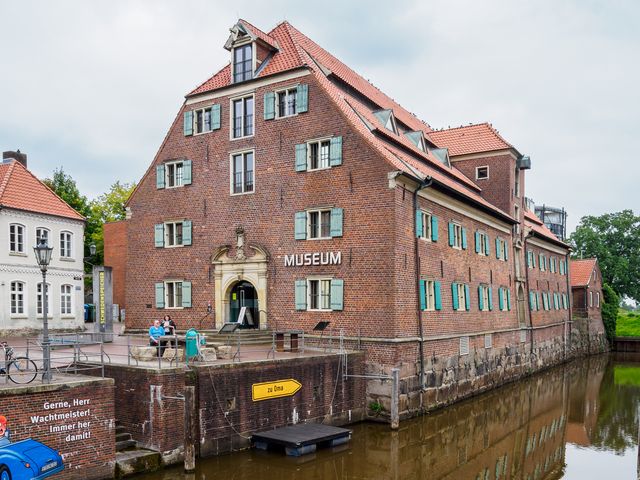
A brick warehouse by the Hanseatic harbour that the Swedes used for only seven years — and which today shows a thousand years of town history and the archaeology of the Elbe–Weser region.

Read on →
The old Hanseatic harbour: a thousand years of water in the middle of town Places & buildings

The old Hanseatic harbour: a thousand years of water in the middle of town

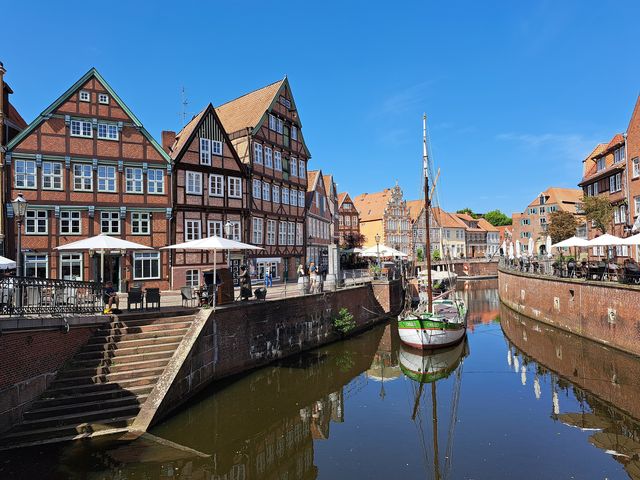
Dug around the year 1000, given its present shape around 1300, cut off from the tide in 1968 and almost filled in during the 1970s: the harbour that made Stade.

Read on →
The old town hall: out of the ashes of 1659, on medieval cellars Places & buildings

The old town hall: out of the ashes of 1659, on medieval cellars

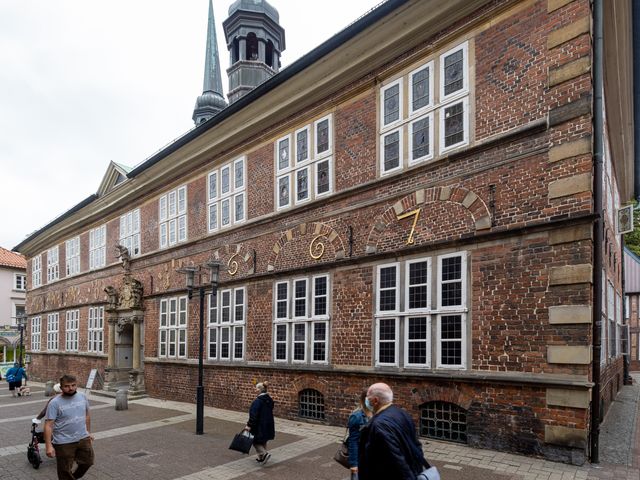
The town fire of 1659 destroys the town hall too. Eight years later a baroque building stands on the old vaults — above one of the oldest Ratskeller cellars in Germany.

Read on →
The Swedish period 1645–1712: Stade as the capital of a foreign king History

The Swedish period 1645–1712: Stade as the capital of a foreign king

Seventy years under the Swedish crown: Stade as the seat of government of Bremen-Verden, as a fortress and as a stage for European wars — an era still written into the townscape.

Read on →
1209: town rights, five quarters and the road into the Hanse History

1209: town rights, five quarters and the road into the Hanse

How a count’s castle and a bishop’s market became a citizens’ town: the charter of Otto IV, the Stade statutes of 1279 and a chequered relationship with the Hanse.

Read on →
994: Vikings on the Schwinge — how Stade entered the record History

994: Vikings on the Schwinge — how Stade entered the record

A raid, a place name from Old Saxon and a family of counts on the Spiegelberg: the beginnings of Stade between the sandy geest and the Elbe.

Read on →
Help improve the portal Is a place missing, or has something changed? Tell me — I will check it and put it right.